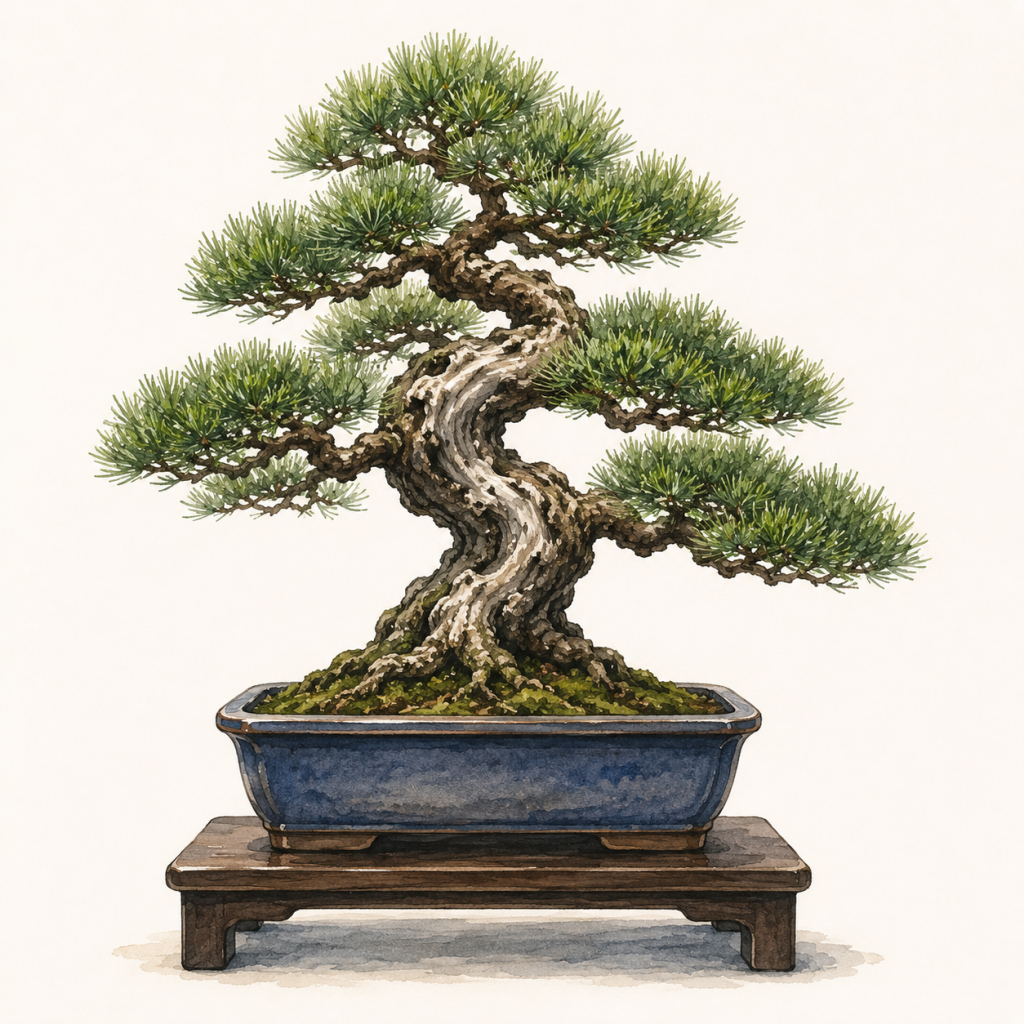
When many people hear the word bonsai, they imagine a tiny tree sitting in a beautiful ceramic pot. It often appears as a symbol of Japan, displayed in gardens, museums, and traditional homes around the world. But bonsai is much more than miniature gardening. It is a living art form that reflects some of the deepest values of Japanese culture.
Unlike ordinary houseplants, bonsai is never truly finished. It grows, changes, and evolves over decades, sometimes even centuries. A bonsai tree is shaped not only by the hands of its caretaker but also by time itself. This unique relationship between nature and human craftsmanship is what makes bonsai so extraordinary.
The origins of bonsai can be traced back to ancient China, where miniature landscapes and potted trees were first cultivated. The practice later arrived in Japan, where it gradually developed into a distinct art form with its own philosophy and techniques. Over hundreds of years, Japanese artists refined bonsai into an expression of balance, harmony, and quiet beauty.
Creating a bonsai requires patience rather than speed. Branches are carefully pruned, roots are trimmed, and wires gently guide the tree into elegant shapes. These techniques are never meant to dominate nature. Instead, they work together with the natural growth of the tree, allowing it to express its character while remaining healthy.
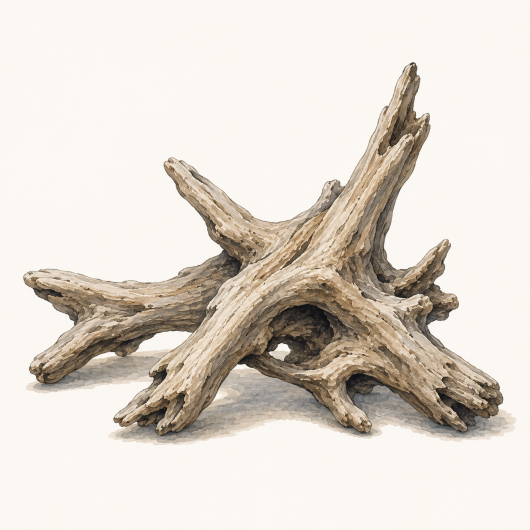
This respect for nature reflects an important Japanese aesthetic known as wabi-sabi—the appreciation of imperfection, simplicity, and the beauty found in the passage of time. A twisted trunk, weathered bark, or an uneven branch is not considered a flaw. Instead, these features tell the story of the tree’s life, making it more meaningful and beautiful.
Many bonsai are surprisingly old. Some specimens have been cared for by the same family for generations, passed from parent to child as treasured living heirlooms. In Japan, caring for a bonsai is not simply maintaining a plant; it is preserving a piece of history for future generations.
Bonsai also teaches a valuable lesson about patience in a fast-moving world. While modern life often encourages immediate results, bonsai reminds us that meaningful growth cannot be rushed. A beautiful tree develops over many years through small, consistent efforts. This philosophy resonates with other aspects of Japanese culture, from craftsmanship and traditional arts to the concept of continuous improvement.
Visitors to Japan can experience bonsai in many different settings. Specialized bonsai gardens display masterpieces that are hundreds of years old, while local nurseries allow beginners to purchase young trees and learn the basics of care. The annual bonsai exhibitions held across Japan attract artists and enthusiasts from around the world, demonstrating the global appreciation for this uniquely Japanese art.
Interestingly, bonsai has found a new audience among younger generations. Social media has introduced millions of people to the beauty of miniature trees, inspiring hobbyists across Europe, North America, and Asia to begin their own bonsai journey. What was once considered a traditional pastime has become an international community connected by a shared appreciation for nature and craftsmanship.
If you visit Japan, take the time to see a bonsai up close. Look beyond its small size and notice the careful balance of every branch, every curve, and every leaf. You are not simply looking at a tree—you are witnessing years of dedication, patience, and quiet artistry.
Bonsai reminds us that beauty is not created overnight. It grows slowly, shaped by care, time, and respect for nature. In a world that often values speed, bonsai offers something far more lasting: the wisdom of slowing down and allowing life to unfold naturally.