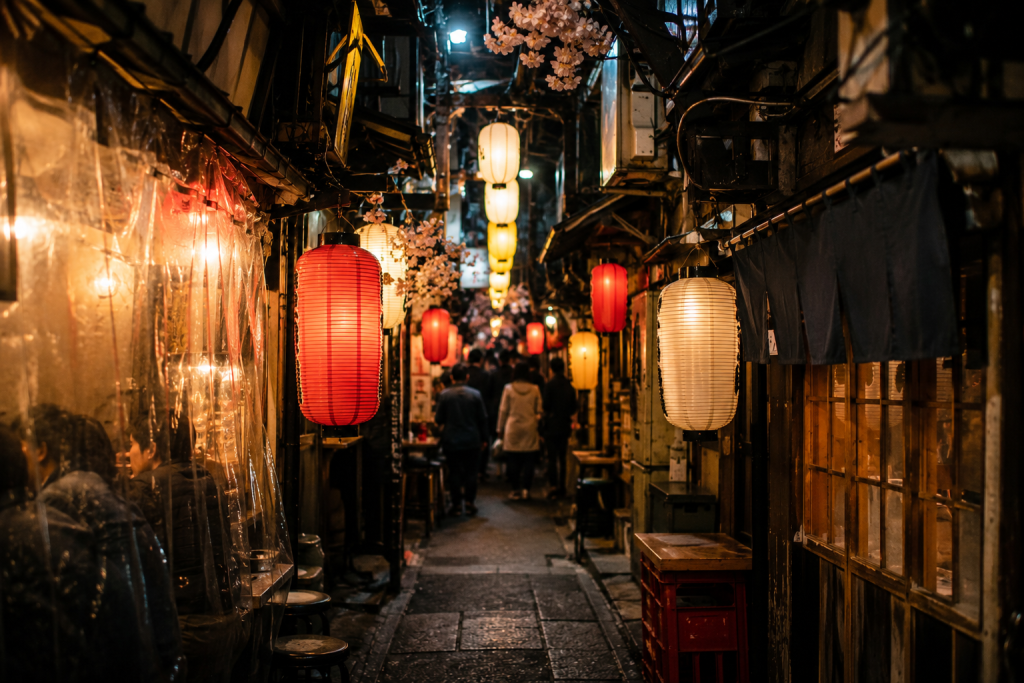
Beyond Tokyo’s glittering skyscrapers and world-famous landmarks lies another side of Japan—one filled with narrow alleyways, glowing paper lanterns, and tiny family-run bars. Known as yokocho (alley districts), these historic neighborhoods preserve the atmosphere of post-war Japan while continuing to serve as gathering places for local communities. For travelers seeking authentic experiences beyond guidebooks, exploring a retro yokocho is one of the best ways to discover the heart of Japanese everyday life.
Yokocho originally developed after World War II, when small food stalls and simple drinking establishments appeared in the narrow spaces beside railway stations and markets. Although many of these areas have disappeared as cities modernized, several famous districts remain, offering visitors a glimpse into Japan’s nostalgic past.
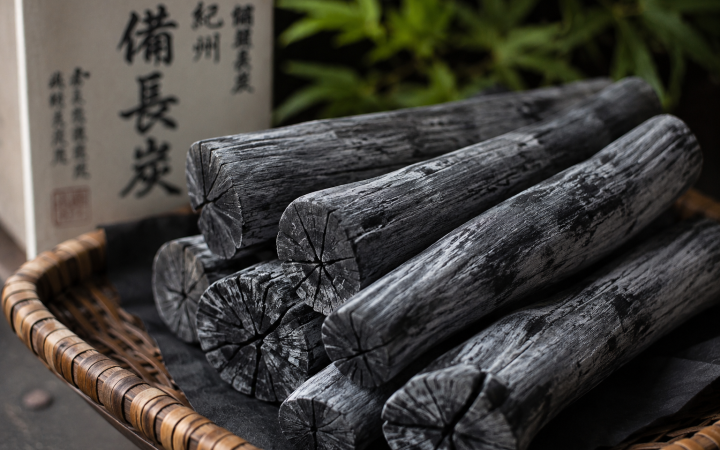
One of the best-known examples is Omoide Yokocho in Shinjuku. Its name means “Memory Lane,” and it perfectly captures the area’s nostalgic atmosphere. Just a few minutes from one of the world’s busiest railway stations, the narrow lanes are lined with tiny yakitori restaurants, grilled seafood stalls, and intimate izakaya that often seat fewer than ten guests. Smoke from charcoal grills drifts through the alley while conversations between locals create a warm and lively atmosphere. Despite being located in the center of modern Tokyo, Omoide Yokocho feels like stepping back several decades in time.
Another iconic destination is Hoppy Street in Asakusa. Unlike many entertainment districts, Hoppy Street is famous for its relaxed daytime drinking culture. Visitors can enjoy traditional Japanese dishes such as beef stew, grilled skewers, and seafood while sipping Hoppy, a low-alcohol beverage that has been popular in Japan since the post-war era. Located within walking distance of Senso-ji Temple, the street offers a fascinating contrast between Tokyo’s historic religious heritage and its vibrant social culture. During weekends, the outdoor tables fill with both local residents and international visitors enjoying long conversations over simple but delicious food.
In western Tokyo, Harmonica Yokocho near Kichijoji Station offers yet another unique experience. The district earned its name because its tightly packed entrances resemble the holes of a harmonica. Originally established as a black market after the war, it has gradually evolved into one of Tokyo’s most charming neighborhoods. During the day, visitors can browse small grocery stores, cafés, and specialty shops. As evening arrives, the narrow passages come alive with cozy bars, craft beer pubs, wine counters, and creative restaurants. Harmonica Yokocho successfully blends traditional atmosphere with contemporary food culture, making it especially popular among younger generations.
What makes these districts truly special is not only the food but also the human connections they create. In many yokocho, customers sit shoulder to shoulder, naturally beginning conversations with strangers or the restaurant owner. Even visitors who speak little Japanese are often welcomed with friendly smiles, recommendations from the chef, and opportunities to experience genuine Japanese hospitality.
When visiting a yokocho, remember that many establishments are quite small. Speaking quietly, respecting other customers, and asking before taking photographs are considered good manners. Some bars may charge a small seating fee, known as otoshi, which is a common part of Japanese izakaya culture rather than an unexpected extra charge.
Tokyo continues to evolve with new skyscrapers and modern developments, yet its retro alleyways remind visitors that the city’s true character is often found in its smallest streets. Whether you choose the nostalgic charm of Omoide Yokocho, the lively atmosphere of Hoppy Street, or the creative spirit of Harmonica Yokocho, each offers more than excellent food and drinks. They provide a window into the everyday lives, traditions, and community spirit that have shaped Japan for generations.
If you want to experience Tokyo beyond its famous attractions, follow the glow of the lanterns into one of these historic alleyways. You may discover that your most memorable moments in Japan are found not on the city’s grand boulevards, but in its hidden back streets.