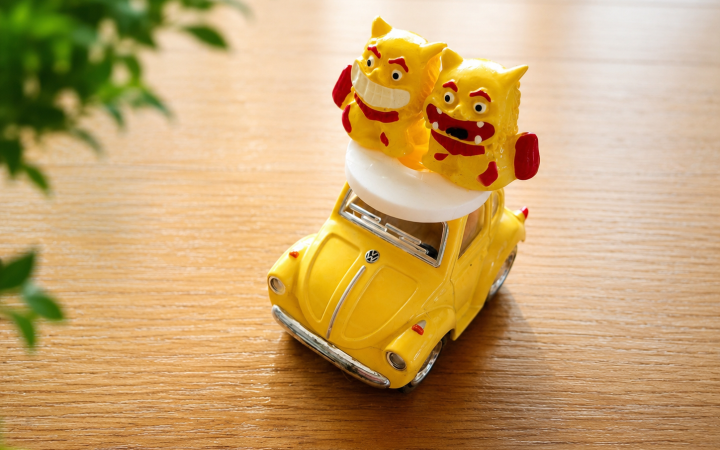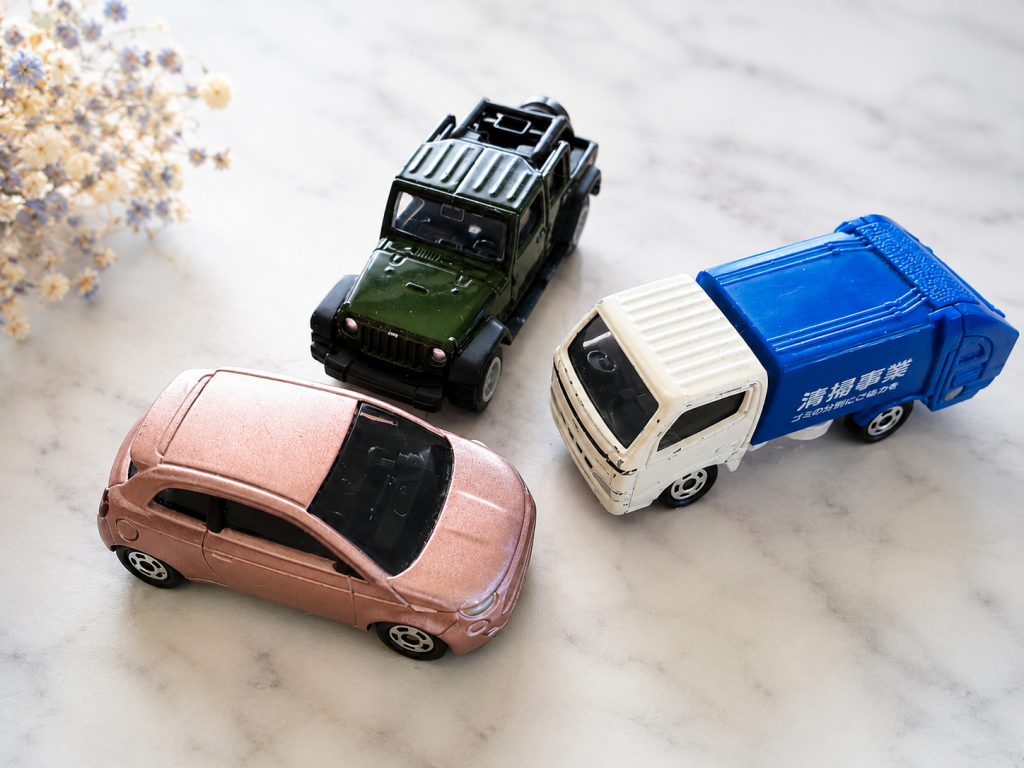
For many people in Japan, childhood memories begin with a small die-cast car that fits comfortably in the palm of a hand. TOMICA, produced by the Japanese toy company TAKARA TOMY, has been one of the country’s most beloved toys since its debut in 1970. More than half a century later, TOMICA continues to delight not only preschool children but also teenagers, parents, and serious adult collectors around the world.
At first glance, TOMICA may appear to be just another miniature car. Yet its enduring popularity comes from a combination of realism, craftsmanship, nostalgia, and an extraordinary attention to detail that reflects Japan’s manufacturing culture.
Unlike many toy cars designed primarily for play, TOMICA models are carefully engineered. Their proportions closely resemble the real vehicles, doors often open, suspensions actually move, and every model is designed to feel substantial despite its small size. Fire engines, ambulances, buses, police cars, garbage trucks, construction equipment, sports cars, and even airport vehicles are reproduced with remarkable accuracy.
For young children, TOMICA serves as more than entertainment.
Children create miniature cities, invent stories, and imagine how vehicles work together in everyday life. A garbage truck collects waste. A fire engine responds to emergencies. A delivery truck transports goods across town. Through imaginative play, children begin to understand how society functions. Parents often notice that their children naturally develop an interest in transportation, engineering, and community life while playing.
What makes TOMICA particularly unique is that many children continue loving it long after childhood ends.
In Japan, it is common to find adults who still own TOMICA cars they received decades earlier. Some preserve them as treasured childhood memories, while others actively collect rare editions. Limited releases, anniversary models, collaboration series, and discontinued vehicles have become highly sought after by collectors by Tomytec.
For many enthusiasts, collecting TOMICA is not simply about acquiring toys. It is about preserving moments in Japanese automotive history.
As new vehicle models replace older ones, TOMICA quietly records these changes. Cars that disappeared from Japanese streets years ago can still be found in miniature form. In this sense, TOMICA functions almost like a small museum of mobility.
Another reason for its popularity is its connection with Japan’s automobile industry.
Japan is home to globally recognized manufacturers such as Toyota, Nissan, Honda, Mazda, Subaru, Suzuki, Mitsubishi, and Isuzu. TOMICA has introduced generations of children to these vehicles long before they were old enough to drive. Many Japanese adults can still remember the first TOMICA model they owned, often corresponding to a real family car from their childhood.
This emotional connection extends beyond Japan.
Collectors throughout Europe, North America, and Asia admire TOMICA for its quality and authenticity. While other miniature car brands often emphasize fantasy or exaggerated designs, TOMICA remains faithful to real engineering and everyday vehicles. Even municipal service vehicles, trains, airport equipment, and rescue machines receive the same level of craftsmanship as luxury sports cars.
Perhaps this reflects something deeply Japanese.
Japan has long celebrated craftsmanship, precision, and respect for even the smallest object. A miniature car is not considered insignificant simply because it is small. Every detail deserves careful attention.
This philosophy echoes the broader Japanese appreciation for craftsmanship found in traditional arts, architecture, ceramics, and manufacturing. Ultimately, TOMICA is more than a toy. It connects generations. Grandparents remember buying TOMICA for their children, who later purchase them for their own families. At the same time, collectors continue searching for rare models that remind them of childhood, favorite automobiles, or milestones in Japan’s automotive history.
More than fifty years after its introduction, TOMICA remains one of Japan’s most iconic creations—a tiny die-cast vehicle carrying not only wheels and metal, but also memories, imagination, and the enduring spirit of Japanese craftsmanship.