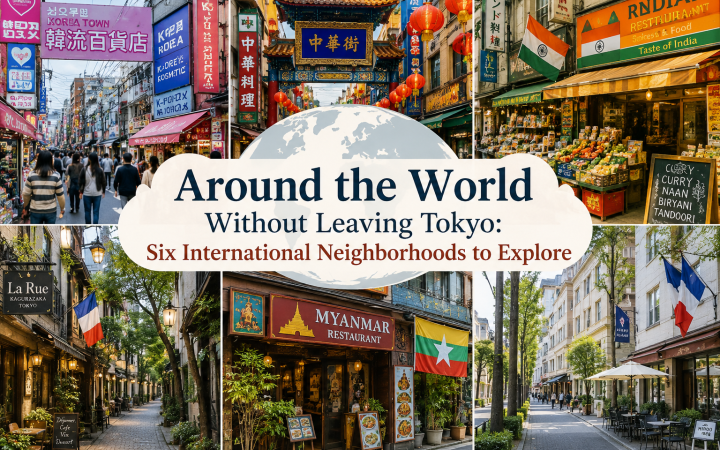
Tokyo is one of the world’s great cities for international food. On a single day, you can eat a French croissant for breakfast, Italian pasta for lunch, Chinese dumplings in the afternoon, and Indian curry for dinner. For many people in Japan, eating food from other countries is not unusual. It is simply part of everyday life.
So how do Japanese people feel about Japanese food?
The answer is more complicated than it may seem. Outside Japan, “Japanese food” often brings to mind sushi, tempura, ramen, and perhaps a carefully prepared traditional meal. For Japanese people, however, these dishes do not represent the whole of Japanese cuisine. In fact, many people do not consciously think about eating “Japanese food” at all.
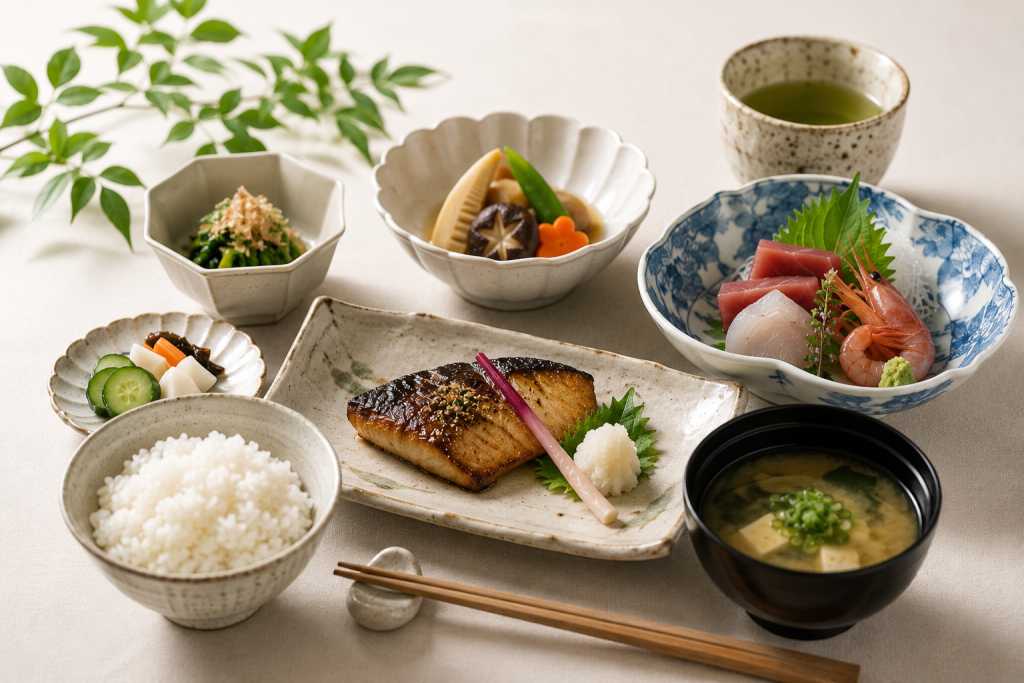
A typical home meal might include rice, miso soup, grilled fish, vegetables, and pickles. Another day, the same family might eat curry rice, pasta, or Chinese-style stir-fried dishes. Many foods that originated overseas have been adapted so deeply into Japanese life that the boundary between Japanese and foreign cuisine has become surprisingly unclear.
This is one reason the word washoku, meaning traditional Japanese cuisine, can feel different from simply “food eaten in Japan.” Washoku often suggests seasonal ingredients, rice, soup, careful presentation, and a balance of flavors. It may also carry a sense of tradition. Everyday Japanese eating, by contrast, is much more flexible.
Japanese people often enjoy Italian, French, Chinese, Korean, Indian, and other cuisines without feeling that they are leaving their own food culture behind. Foreign dishes are frequently adjusted to local tastes. Pasta may use soy sauce and mushrooms. Curry has developed into a distinctly Japanese comfort food. Chinese-inspired dishes have become standard home cooking. The result is not the disappearance of Japanese cuisine, but its continuous expansion.
At the same time, many Japanese people become more conscious of Japanese food when they travel abroad. A bowl of rice, a simple soup, grilled fish, or even the taste of soy sauce can suddenly feel deeply familiar. Foods that seemed ordinary at home begin to carry emotional meaning.
Perhaps this is the key to understanding how Japanese people feel about their own cuisine. Japanese food is often valued not because it is exotic or prestigious, but because it feels natural. It is connected to childhood, family meals, seasons, school lunches, local festivals, and small daily routines.
Of course, special Japanese cuisine still matters. Sushi restaurants, traditional inns, and refined seasonal dining can turn food into an art form. But for most people, the deepest connection to Japanese food may be found somewhere much simpler: a bowl of rice, a warm soup, or a familiar dish prepared at home.
In a city filled with cuisines from around the world, Japanese food does not need to compete for attention. It remains quietly present in everyday life.
Perhaps that is precisely why it matters so much.