Ask people around the world what comes to mind when they think of Japan, and many will mention sushi, samurai, anime, or cherry blossoms. Increasingly, however, another Japanese word has become part of the global vocabulary: kawaii.
Although it is often translated simply as “cute,” kawaii represents much more than appearance. It is a cultural concept that influences fashion, design, communication, business, and even the way people interact with one another. To understand modern Japan, it is impossible to ignore the importance of kawaii.
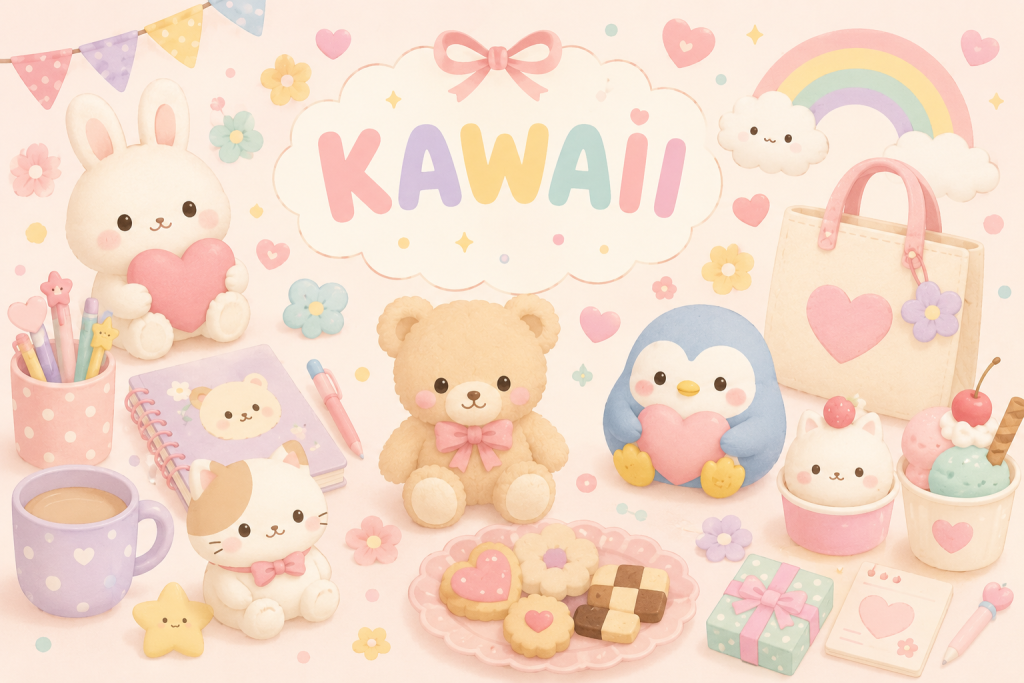
At its most basic level, kawaii refers to something that is charming, lovable, innocent, or endearing. A small animal, a smiling cartoon character, or a beautifully wrapped dessert can all be described as kawaii. Yet the feeling goes beyond physical appearance. It often evokes warmth, comfort, and a desire to care for or protect something.
The modern kawaii culture began to flourish during the 1970s and 1980s, especially among young people. Rounded handwriting, colorful accessories, and playful fashion became popular as new forms of self-expression. At the same time, companies began creating friendly mascots and characters that appealed to people of all ages. This trend gradually expanded far beyond youth culture and became part of everyday Japanese life.
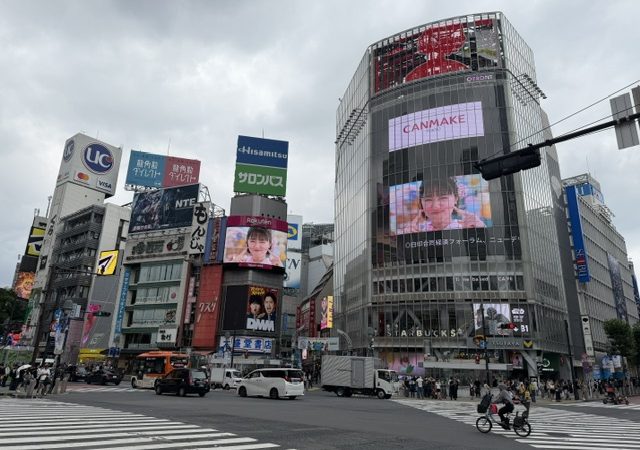
Today, kawaii can be found almost everywhere in Japan. Police departments have mascots. Local governments create adorable characters to promote tourism. Banks, airports, train stations, and even construction sites often use friendly illustrations to communicate information. Rather than making public spaces feel cold or formal, these characters create a welcoming atmosphere.
Perhaps the world’s most famous example is Hello Kitty, but she is only one of thousands of Japanese characters. Every prefecture, city, and company seems to have its own mascot. These characters are not merely marketing tools—they help create emotional connections between organizations and the people they serve.
Kawaii also reflects a uniquely Japanese approach to design. Instead of emphasizing power, luxury, or sophistication alone, many Japanese products are intentionally designed to appear approachable and friendly. Rounded shapes, soft colors, and expressive faces make everyday objects feel less intimidating. Even household appliances, stationery, and digital devices often include playful design elements.
Interestingly, kawaii is not limited to children. Adults openly enjoy cute products without embarrassment. Business professionals may carry character-themed stationery, while grandparents proudly collect charming souvenirs during their travels. This broad acceptance makes kawaii a shared cultural language across generations.
Behind this popularity lies a deeper cultural value. Japanese aesthetics have long appreciated qualities such as harmony, modesty, and emotional warmth. Kawaii expresses these values in a modern form. Rather than drawing attention through loudness or extravagance, it creates positive feelings through kindness, gentleness, and approachability.
Visitors to Japan are often surprised by how naturally kawaii blends into everyday life. You might find beautifully decorated train tickets, smiling mascots guiding passengers through airports, or cafés serving desserts designed to resemble friendly animals. These small details transform ordinary experiences into memorable moments.
Of course, kawaii has also become a global phenomenon. Japanese fashion, animation, and character design have inspired artists and designers around the world. Yet while the style has spread internationally, its cultural roots remain deeply connected to Japan’s way of finding beauty in small, joyful moments.
If you travel through Japan, look closely at the details around you. The smiling mascot on a city sign, the carefully packaged sweets in a department store, or the playful illustrations on a train platform all tell the same story. In Japan, being “cute” is not simply a style—it is a way of making the world feel more welcoming.
Kawaii reminds us that even the smallest gestures of kindness, warmth, and creativity can bring people together. Perhaps that is why this uniquely Japanese idea continues to capture hearts across the globe.