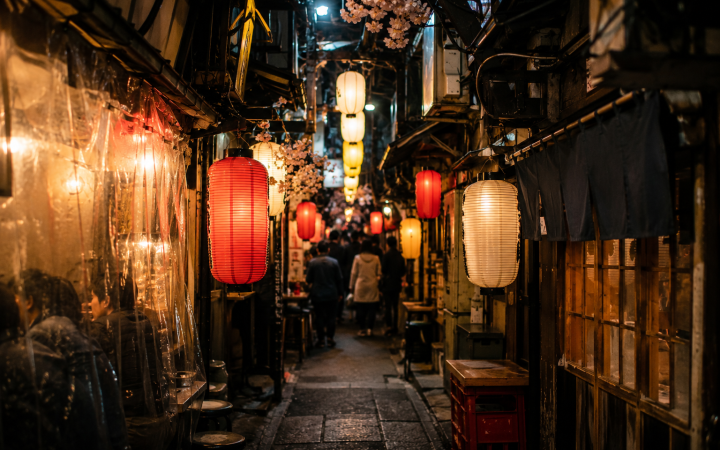
Tokyo is famous for technology, fashion, and pop culture, but it is also one of the world’s great cities for book lovers. Hidden among its busy streets are countless secondhand bookstores filled with old novels, art books, vintage magazines, maps, photographs, and rare publications. For anyone wondering where to buy old books in Tokyo, there is one place that stands above all others: Jinbocho.
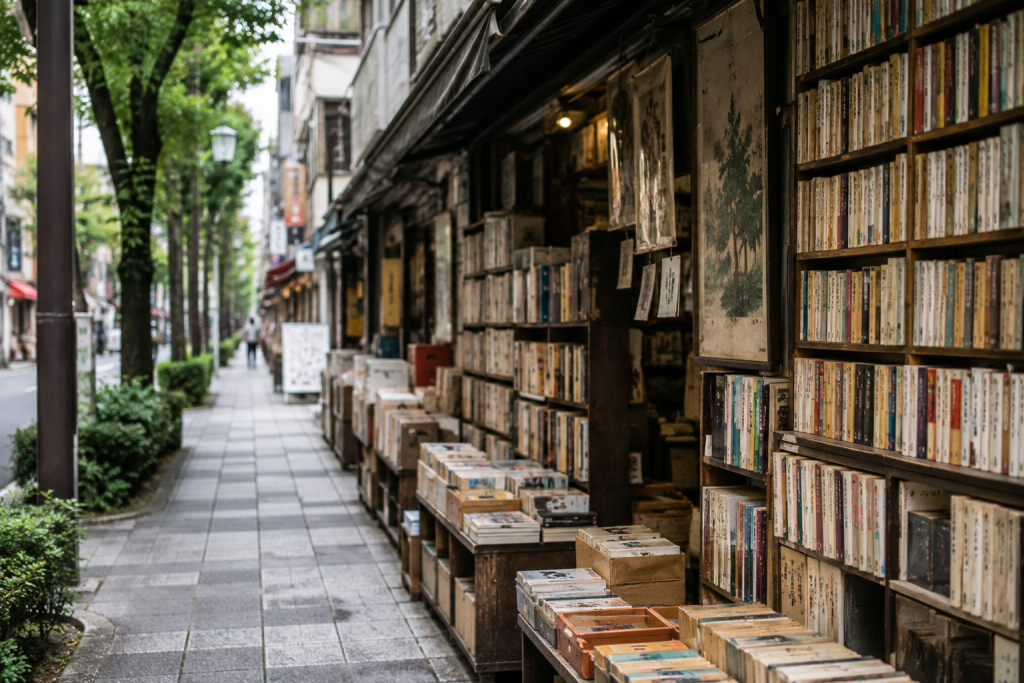
Located in central Tokyo, Jinbocho is widely known as Japan’s most famous secondhand book district. The neighborhood is home to more than a hundred bookstores, many of them specializing in particular subjects. Walking through its streets feels less like ordinary shopping and more like entering a vast library spread across an entire neighborhood.
The history of Jinbocho as a book district dates back to the late nineteenth and early twentieth centuries, when universities, publishing companies, and educational institutions gathered in the surrounding area. Students and scholars created a strong demand for books, and secondhand bookstores gradually became part of the neighborhood’s identity.
Today, visitors can find almost every type of publication imaginable. Some shops specialize in Japanese literature and historical documents, while others focus on art, architecture, photography, cinema, music, philosophy, or foreign-language books. There are also stores filled with old manga, movie posters, postcards, and magazines that offer fascinating glimpses into Japan’s cultural past.
One of the pleasures of exploring Jinbocho is that there is no perfect route. The best approach is simply to walk slowly and enter any shop that catches your attention. Many stores have inexpensive books displayed outside, while rarer items are carefully arranged inside glass cases. Even if you cannot read Japanese, old photography books, illustrated magazines, prints, and design publications can be wonderful discoveries.
Jinbocho is also a place where the physical experience of books still matters. The smell of aging paper, the narrow wooden shelves, handwritten price labels, and quiet shopkeepers create an atmosphere that cannot be reproduced by online shopping. Finding a book here often feels personal, especially when you discover something unexpected that you were not searching for.
The neighborhood is not only about books. Jinbocho has long been associated with traditional cafés and curry restaurants. After spending hours browsing shelves, visitors can stop at an old-fashioned coffee shop, known in Japan as a kissaten, and read their newly purchased book over a cup of carefully brewed coffee. This combination of books, cafés, and unhurried exploration is an essential part of the Jinbocho experience.
For international visitors, old books can also make meaningful souvenirs. A vintage Japanese magazine, an illustrated children’s book, an old railway map, or a photography collection may tell a richer story than a conventional tourist gift. These objects carry traces of another time and offer a unique connection to Japan’s visual and cultural history.
Although Jinbocho is the heart of Tokyo’s secondhand book culture, old books can also be found in neighborhoods such as Koenji, Kichijoji, and Waseda. Flea markets and small independent bookstores sometimes offer surprising treasures as well. Yet for a first exploration, Jinbocho remains the essential destination.
Tokyo is a city that constantly rebuilds itself, but its old books preserve memories that might otherwise disappear. In Jinbocho, the past survives quietly on crowded shelves, waiting for someone to open the next page.
For book lovers, collectors, or simply curious travelers, searching for an old book in Tokyo is more than shopping. It is a journey through the stories, images, and memories of Japan.